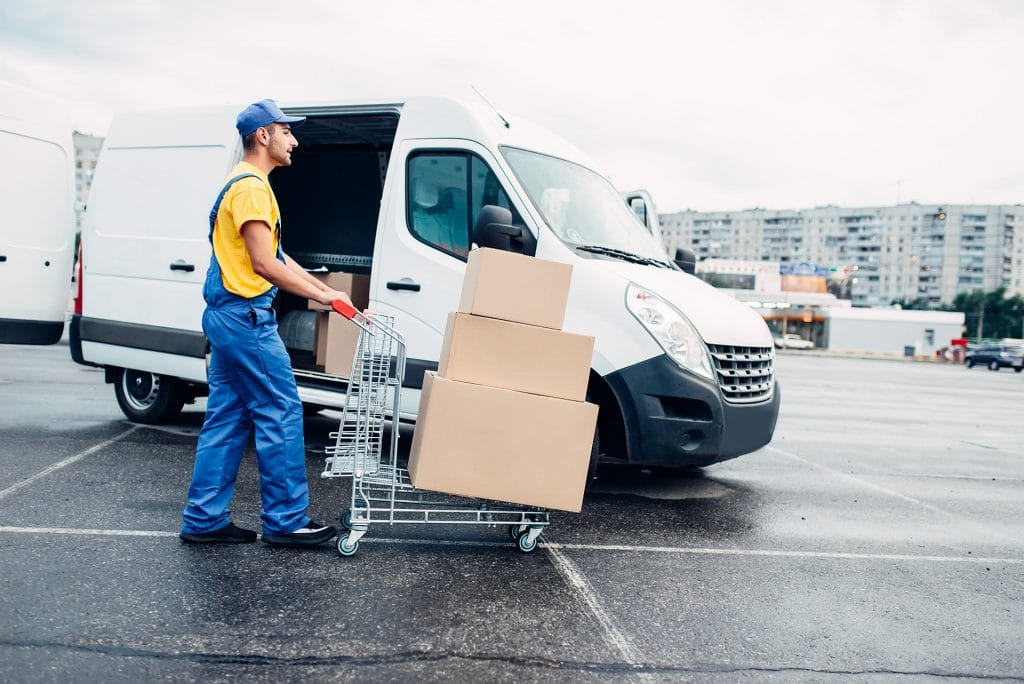

Moving is a major life event, whether you’re relocating across town or across the country. While every move comes with packing boxes, organizing logistics, and adjusting to a new space, there are significant differences between local and long-distance moves. Understanding those differences can help you better prepare, and avoid unexpected surprises along the way.
One of the most common questions customers ask us about long distance moves is: “What changes when my move is farther away?” The answer involves everything from pricing and timelines to packing strategies and planning.
Here’s what you need to know before scheduling your next move.
What Is Considered a Local Move?
A local move typically refers to a relocation within the same city or region, usually under 50–100 miles depending on the moving company. These moves are often completed within a single day and are generally charged by the hour.
Local moves tend to be simpler because:
- Travel time is shorter
- Delivery happens the same day
- You have easier access to your belongings
- Planning is often less complicated
However, that doesn’t mean local moves are stress-free. Packing, coordinating schedules, protecting furniture, and handling heavy lifting still require time and organization.
What Is Considered a Long-Distance Move?
A long-distance move usually involves relocating across state lines or traveling more than 100 miles. These moves often require more detailed coordination, larger trucks, multiple travel days, and more extensive planning.
Long-distance moves are typically priced based on factors such as:
- Total shipment weight
- Distance traveled
- Fuel costs
- Additional services
- Storage needs
- Specialty items
Because of the logistics involved, long-distance moves often require booking earlier and creating a more detailed moving timeline.
Pricing Differences
One of the biggest differences between local and long-distance moves is how pricing works.
Local Moving Costs
Local movers generally charge hourly rates. Your final cost may depend on:
- Number of movers needed
- Time required
- Truck size
- Stairs or difficult access
- Packing services
With a local move, you often have more flexibility to move smaller loads yourself or make multiple trips if needed.
Long-Distance Moving Costs
Long-distance moves are usually based on the overall weight or volume of your belongings and the mileage involved. Because the truck and crew may be dedicated to your shipment for several days, costs are naturally higher.
Additional charges may include:
- Fuel surcharges
- Overnight travel
- Storage-in-transit
- Shuttle services
- Extra insurance coverage
A professional moving estimate is especially important for long-distance relocations so you can budget accurately.
Packing Requirements Are Different
Packing for a local move and packing for a long-distance move are not the same experience.
Local Moves
For local moves, some people choose a more relaxed packing approach because items will only be transported a short distance. Clothing may stay in drawers, and fragile items may need less extensive protection.
Long-Distance Moves
Long-distance moves require stronger packing methods because belongings spend much more time in transit. Boxes may be stacked longer, shifted more frequently, and exposed to varying road conditions.
For long-distance moves, it’s smart to:
- Use sturdy moving boxes
- Wrap fragile items carefully
- Label everything clearly
- Avoid overpacking boxes
- Create detailed inventory lists
Professional packing services can be especially valuable during long-distance relocations because properly packed items are less likely to be damaged during extended transport.
Timing and Scheduling Matter More
A local move often allows more flexibility. If something changes, it may be easier to reschedule quickly or adjust timing.
Long-distance moves, however, operate on tighter schedules and transportation routes. Delays involving weather, traffic, or cross-country travel can affect delivery windows.
That’s why planning ahead is critical for long-distance relocations. Ideally, you should:
- Book movers several weeks or months ahead
- Confirm delivery windows early
- Coordinate utility transfers in advance
- Prepare essential travel items separately
Having a realistic timeline helps reduce stress and keeps the process organized.
Communication Is Essential
With any move, communication matters but it becomes even more important during long-distance relocations.
For local moves, you may interact with your movers for only a few hours. For long-distance moves, communication may continue for days or weeks throughout pickup, transportation, and delivery.
Choose a moving company that provides:
- Clear estimates
- Updated delivery timelines
- Responsive customer service
- Shipment tracking information
- Transparent policies
Good communication helps you feel confident throughout the moving process.
Storage Needs Can Change
Local moves are often straightforward transitions from one home directly into another. Long-distance moves sometimes involve temporary storage if timing between homes doesn’t line up perfectly.
Storage solutions may be needed if:
- Your new home isn’t ready yet
- You’re downsizing
- You’re relocating for work temporarily
- You need flexibility during closing dates
Many professional movers offer short-term and long-term storage options to help simplify the transition.
Emotional Stress Can Be Different
Even exciting moves can feel overwhelming. Local moves may still allow you to stay near familiar routines, family, and friends. Long-distance moves often involve bigger emotional adjustments, especially when relocating to a completely new city or state.
Families may need to prepare for:
- New schools
- New jobs
- Lifestyle changes
- Different climates
- Leaving support systems behind
Creating a moving checklist, staying organized, and working with experienced professionals can make the transition smoother and less stressful.
How to Choose the Right Moving Company
Whether your move is local or long-distance, choosing the right mover is one of the most important decisions you’ll make.
Look for movers that are:
- Licensed and insured
- Experienced with your type of move
- Transparent with pricing
- Highly reviewed
- Willing to answer questions clearly
For long-distance moves, verify interstate licensing and ask about delivery timelines, valuation coverage, and inventory tracking.
A trustworthy moving company can make the difference between a chaotic experience and a smooth transition.
Every move is unique but understanding the differences between local and long-distance moving can help you prepare more effectively. Local moves often offer flexibility and speed, while long-distance moves require more detailed coordination, stronger packing, and careful scheduling.
No matter the distance, planning ahead is the key to a successful move. With the right preparation—and the right moving team like Brothers Movers—you can reduce stress, protect your belongings, and focus on the excitement of starting your next chapter.Top of Form
Bottom of Form
Ready to make your move the right way? We’re here to help with every step of the journey, from packing to unpacking and everything in between throughout Bucks, Montgomery, Philadelphia, Delaware, Chester counties and beyond.
Give us a call today to answer all your moving questions and help you plan your moving day at 215-322-3177 or visit us online for more about our services: brothersmover.com.